Christine’s story: “I was rapt they finally funded Keytruda for other women like me”
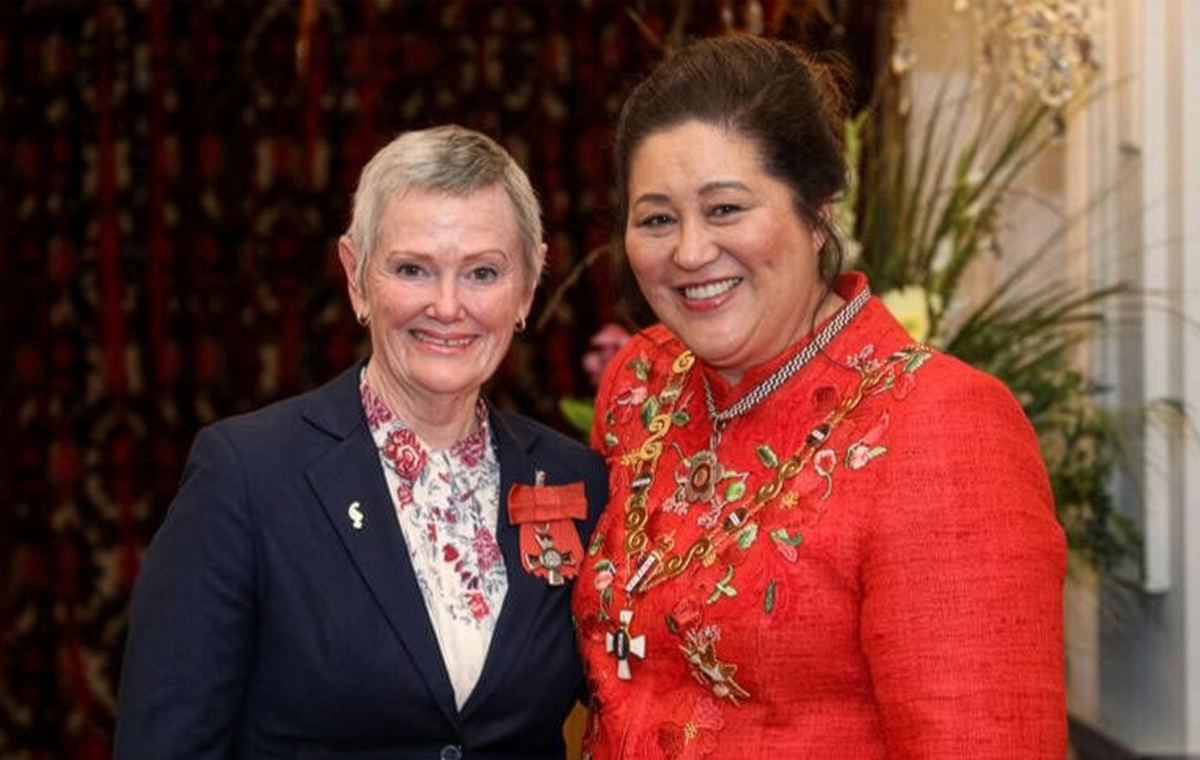
Auckland woman Christine was diagnosed with triple negative breast cancer (TNBC) following a routine mammogram in December 2019 at the age of 70. In May 2022, Christine learned her cancer had returned. Despite not being funded for TNBC, Christine fought to gain access to Keytruda (pembrolizumab), an immunotherapy drug which had shown promising results in clinical trials. She’s sharing her story to highlight the need for treatment options for women with triple negative breast cancer.
I had a routine mammogram at the end of 2019 – right before everything changed for the whole world – and then for me. On 22 December I was told there was a high suspicion of breast cancer. I saw the surgeon at the end of January and booked in for a partial mastectomy in February. I was initially stage 1, so was optimistic about my prognosis.
After surgery, I started chemotherapy. Unfortunately, I didn’t tolerate chemo well and was only able to complete three of my six treatments. I developed pneumonitis and moved on to radiation therapy instead of completing the final three treatments.
TNBC is an aggressive sub-type of breast cancer and recurrence is more likely in the first three years. Because I went through all the breast cancer stuff in 2020, and all through Covid, that whole year was horrendous. You think you've got past it, you think that you're going to be OK, and then suddenly you find you're not.
I was seeing someone from my medical team every six months. In April 2022 I went to my regular check up with my surgeon. I still had a persistent cough but thought it was a result of the pneumonitis. My surgeon made note of the cough and suggested I mention it to the oncologist in September at my next meeting. His report went to my GP. Luckily, she was new to the clinic, read the notes and told me to go have an X-ray that afternoon. By the next morning, she told me I had various shadows in my lungs and ordered a full CT scan. From this, I was identified as stage 4. I had four tumours in my lungs – one of them was 3cm by 4cm. There was also a whānau of tumours in my lymph nodes and three in my liver.
At the end of May I had researched and found a stage 3 clinical trial for Keytruda and TNBC which showed promising results. I printed it off and took it to my medical oncologist who told me he wasn’t prepared to prescribe. I had no other options! I was told I had five months to live. So, I took the study and showed it to another medical oncologist, Dr Catherine Han.
Dr Han ran some tests, and they showed I was a strong candidate for Keytruda, which at the time was only publicly funded for treating melanoma. In advanced TNBC, clinical trials showed Keytruda could benefit people who had a PD-L1 score over 10. Mine was 70!
I began Keytruda which cost around $100,000 for the first nine treatments and $1500 per treatment thereafter - totalling around $150,000. I was so fortunate that people supported me through a Givealittle page.
I stayed on Keytruda for three years. Within three months, all my tumours had disappeared. The whole lot had gone in three months! Dr Han told me that I was the first in her clinic to have Keytruda for TNBC, because there was nothing before. It was a death sentence then.
After three years on treatment, I began experiencing some dermatitis and Dr Han had a chat with me about coming off treatment. It was scary, but we did a test called Prosigna – which checks for ctDNA (circulating tumour DNA) – to see if I had any cancer. The test was clear, so I had coffee and cake to celebrate and stopped treatment.
Last October, Pharmac announced funding for Keytruda for people who find themselves in the same desperate situation I was. I was rapt that they finally funded it for other women. It’s terrible that medicines are available but because of the cost, they’re not available at all.
Having this medicine available when I needed it, would have been huge. I managed to raise over $60k on Givealittle, but even then, we faced $40k and admin costs. I’m so conscious that we could pay it – not easily – but we could. There must be so many women who had this breast cancer and essentially had no choice to access treatment to extend their life.
It’s a horrendous concept that in a country that’s supposed to have social welfare and free health care, we have a system that if you’ve got money you get to live, and if you don’t, you die. For me, it would have taken a lot of the stress away. You’re still going to worry about the cancer, but you don’t have the financial burden on top.
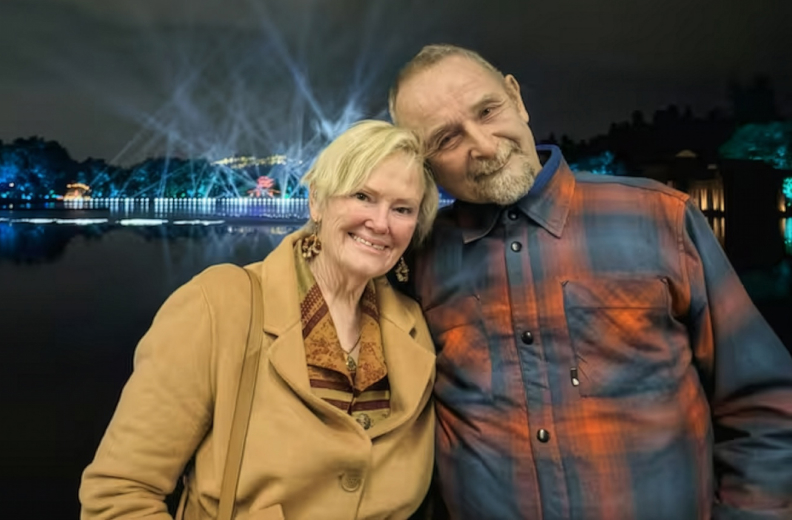
Now I’m enjoying life, travelling, and valuing my health. Cancer has taught me that your life is your life, you only get one shot it. When you go through something like that you realise how tenuous it all is.
Share your story
Have you been touched by breast cancer and would like to share your story? We’d love to hear more about it.