Pamela’s story: "Nurse support boosted my sense of 'I’ve got this!'”
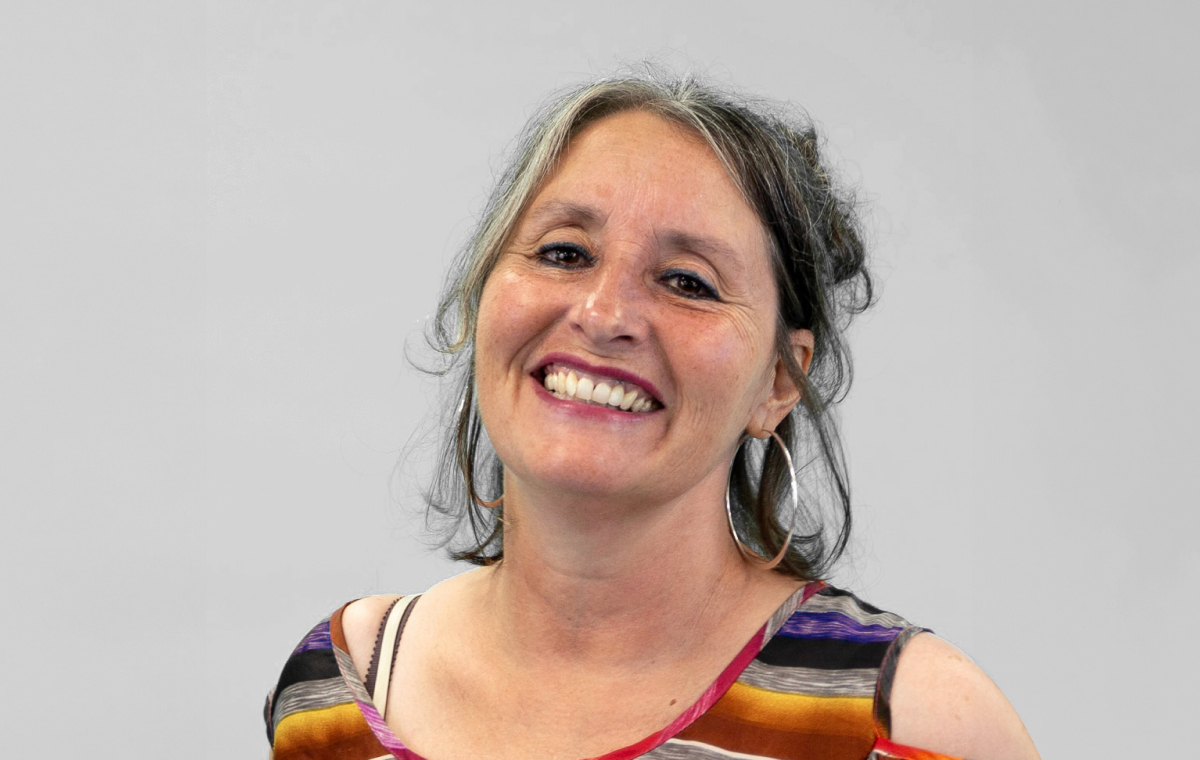
At age 50, a routine mammogram in 2021 led to Pamela's shock diagnosis of breast cancer, turning her world upside down.
What followed was six months of intense chemotherapy, surgery to remove three tumours, and radiation. In 2022, Pamela began hormone therapy with tamoxifen, a powerful medicine that reduces the risk of cancer returning, but one that is given for five to ten years. This phase felt like being thrust into "No man’s Land," with little support on managing what came next. She’s sharing her story to show how beneficial nurse support can be.
For me, beginning hormone therapy came at the same time I was trying to move on after breast cancer. I had this feeling of life needs to move on. I need to function and get going! But, as I soon learned, you can’t when you feel rubbish.
That's when I connected with Katherine, a Christchurch-based Breast Cancer Foundation NZ nurse specialist who runs a nurse-led support service for hormone therapy. The support was honestly amazing. She stays in touch and always comes back to me, quickly and with answers.
After two years on tamoxifen, my oncology team switched me to letrozole. Immediately I began to have fatigue, body aches, lots of headaches, and tinnitus. Reaching out to Katherine made all the difference; she collaborated with my oncologist to switch me to anastrozole and since then I’ve felt good again.
The biggest benefit is having a singular point of contact with extensive knowledge. She’s across everything to do with breast cancer, and it’s a journey. When you’re in it, you’re at the stage you’re at. She knows the next stage, how things are connected, and she’s able to connect the dots.
Just knowing someone is checking in and working in the background is incredibly reassuring. It makes you feel like you’re not alone.
Nurse support is vital. It feels personal, it’s empathetic and it’s kind. You honestly can’t put a price on that! It has empowered me to reclaim a sense of normalcy. I'm back to working full time and enjoying quality time with my family, routines, and hobbies.
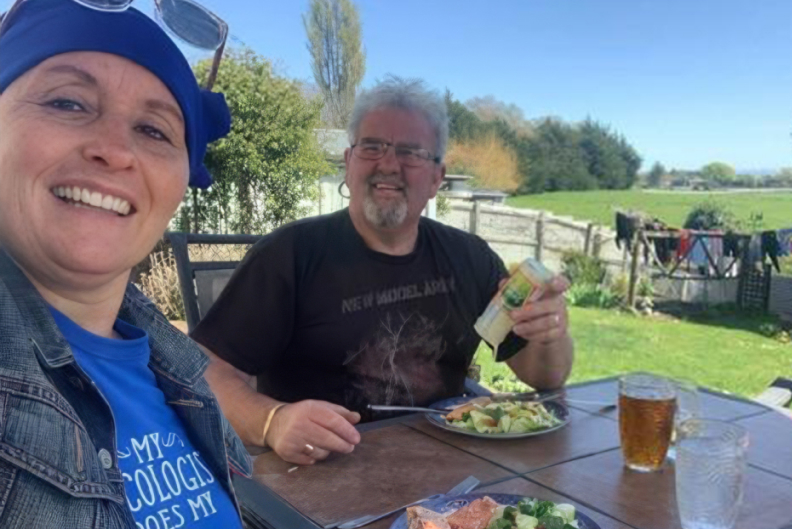
For women like me, returning to these aspects of life is essential, but hormone therapy can pose a barrier. Support from a nurse – or programme like myHT Guide – could be the difference between staying on treatment and stopping. Even if hormone therapy had been straightforward, even if I didn’t have problems, at some stage, you just need help.
Having gone through it, I’m a huge advocate for wrap-around support and I’m excited that myHT Guide will make nurse assistance available to more people like me.
Pamela’s story highlights how support transforms the daunting task of long-term hormone treatment into something manageable, and it’s thanks to the generosity of amazing people like you.
Share your story
Have you been touched by breast cancer and would like to share your story? We’d love to hear more about it.